
Lonquist Blog
Featured
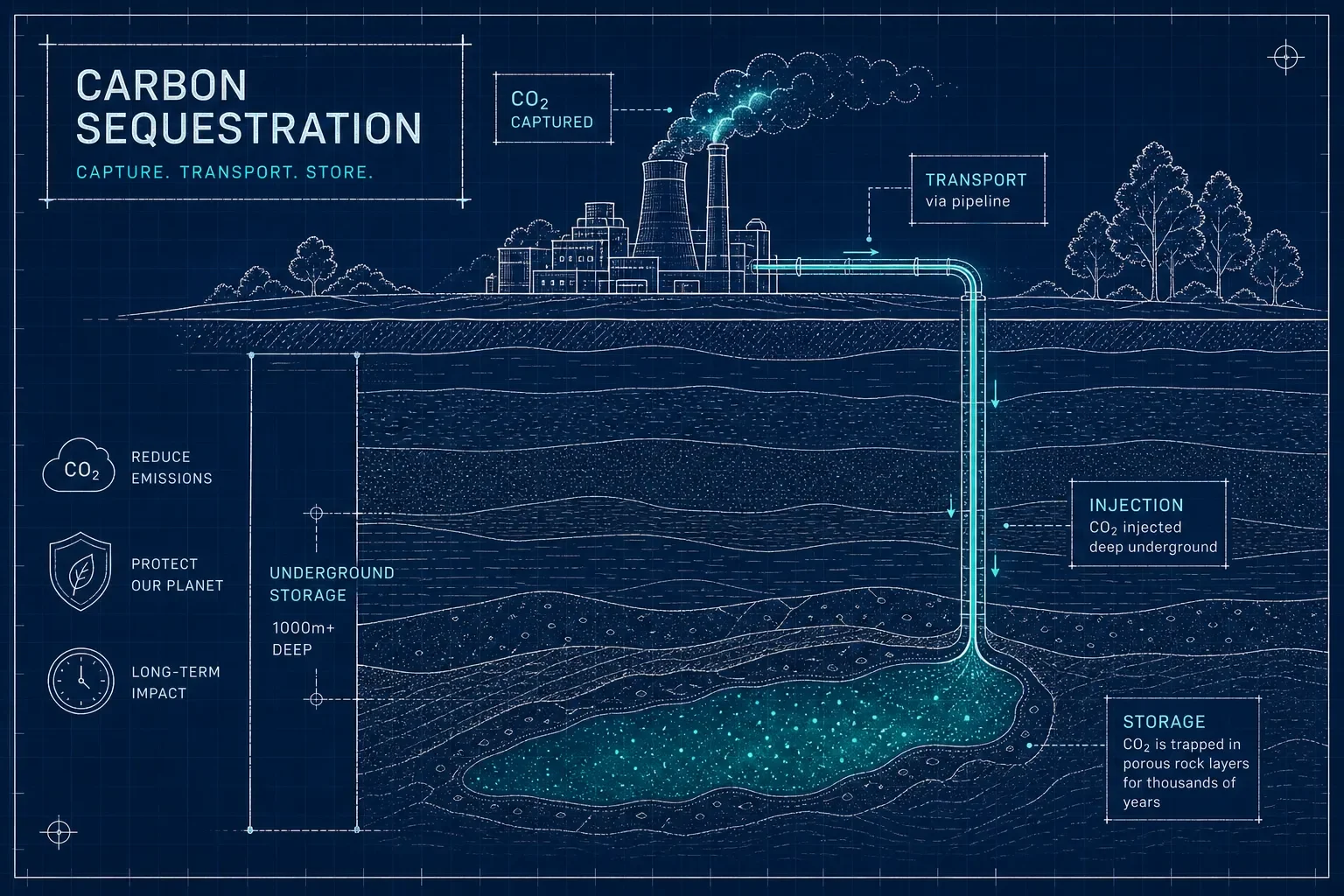
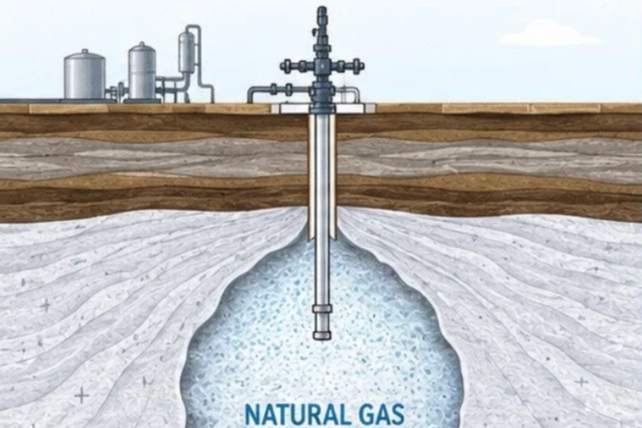
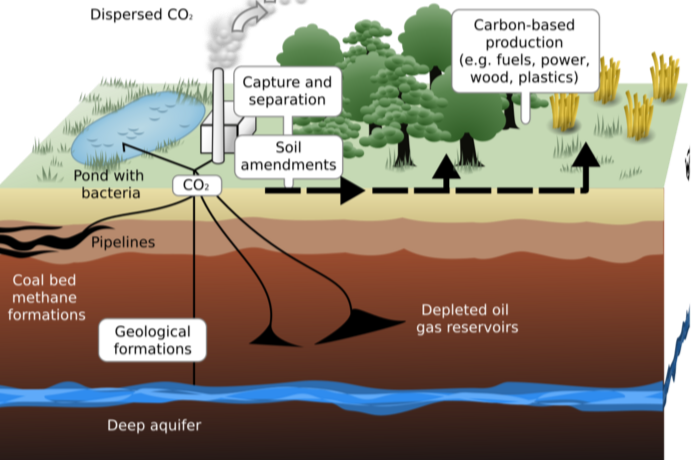
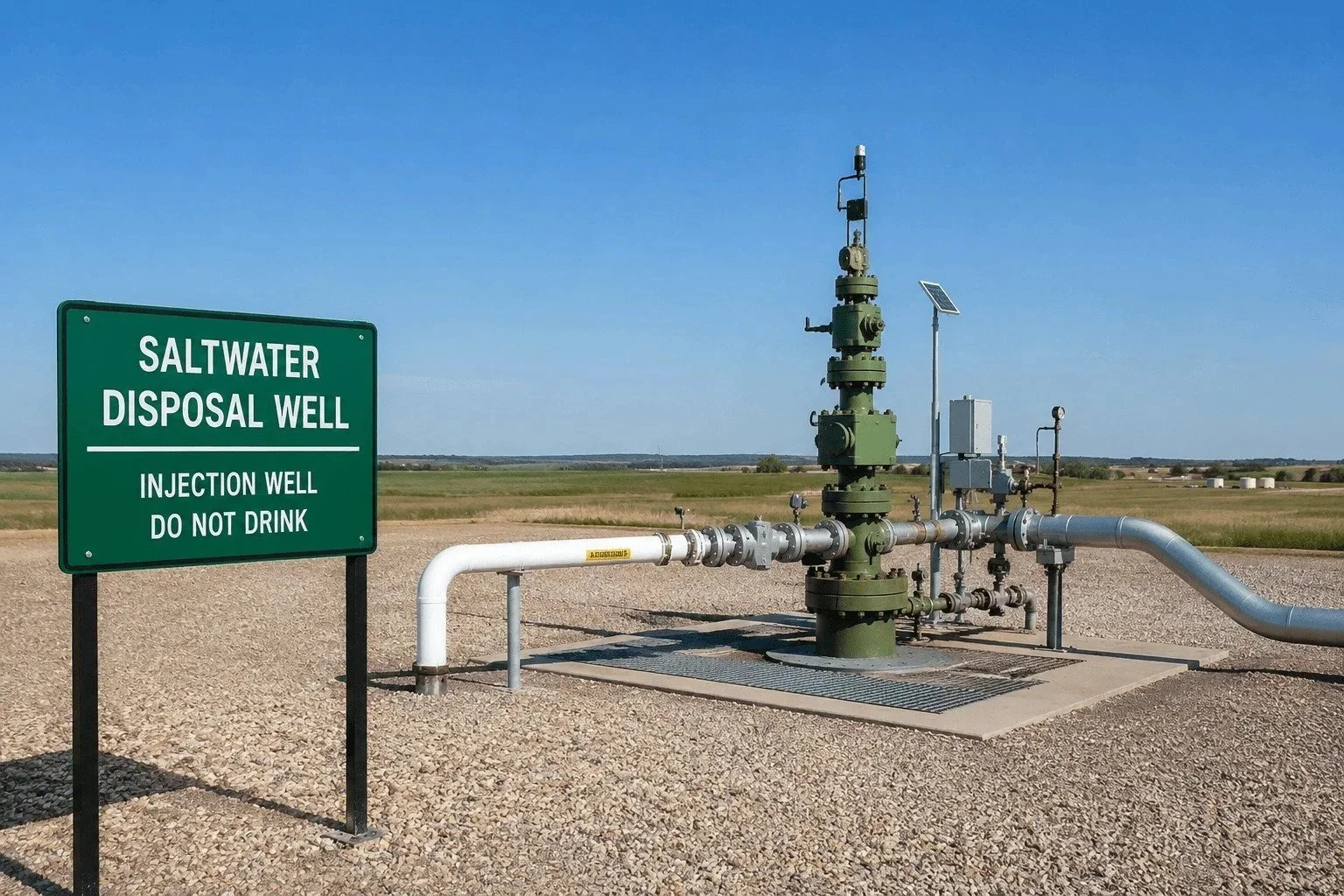
At Lonquist, our team works at the intersection of traditional energy development and emerging carbon capture and storage (CCS) applications; it's the kind of applied subsurface work we do. Consider this article to be a plain-English guide for anyone trying to understand what sequestration means when evaluating CCS feasibility.
Depleted Oil and Gas Reservoirs have already demonstrated their ability to store hydrocarbons underground, so they are often the first choice. These formations are often well known geologically, with existing well data and sometimes existing infrastructure that can help reduce both development time and costs. These are particularly useful for large-volume, seasonal storage, where gas is injected in times of lower demand and withdrawn when demand rises.
Carbon sequestration (subterranean CO₂ injection) is a very technical and highly regulated engineering process that requires deep expertise in geology, reservoir behavior, well design, risk management, monitoring, and long-term stewardship of the site. Hiring an expert with outstanding credentials in carbon sequestration engineering is critical…
Underground storage requires a professional company with expertise in saltwater disposal engineering in order to function. This is because the subsurface knowledge used to safely inject and manage produced water is also needed to design, evaluate, and ensure the long-term integrity of underground storage projects.
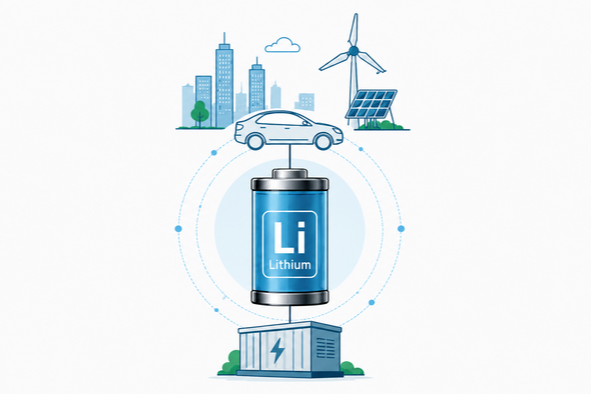
Lithium continues to be one of the most important materials for the global energy transition. By 2026 it’s critical to have rechargeable batteries for electric vehicles, grid-scale energy storage, consumer electronics, backup power systems, and lightweight and industrial equipment. Lithium is a cornerstone material for electrification, the U.S. Geological Survey said, with batteries accounting for an estimated 88 percent of global lithium use.
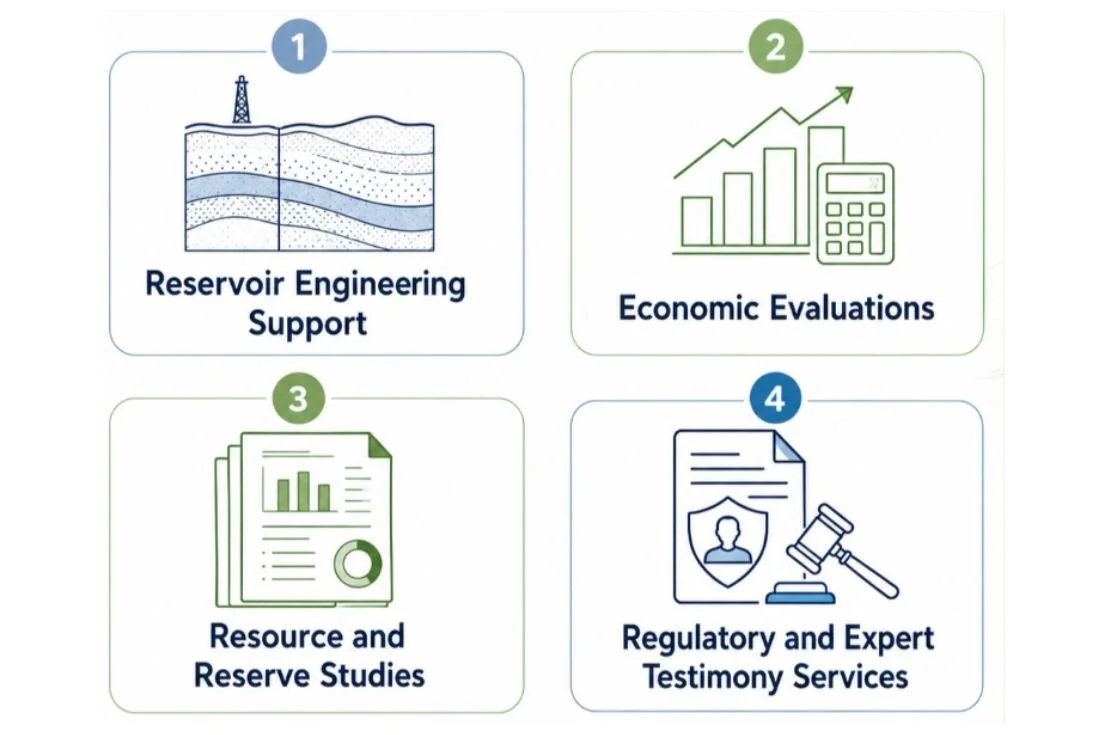
Knowing what type of expertise to look for is the first step in finding the right firm to perform reservoir engineering and economic evaluations. Oil and gas projects need experienced engineers who know reservoir performance, production forecasting, reserves analysis, risk assessment, and project economics, not just general consulting support.