
New Energy Resources | Sequestration
Featured
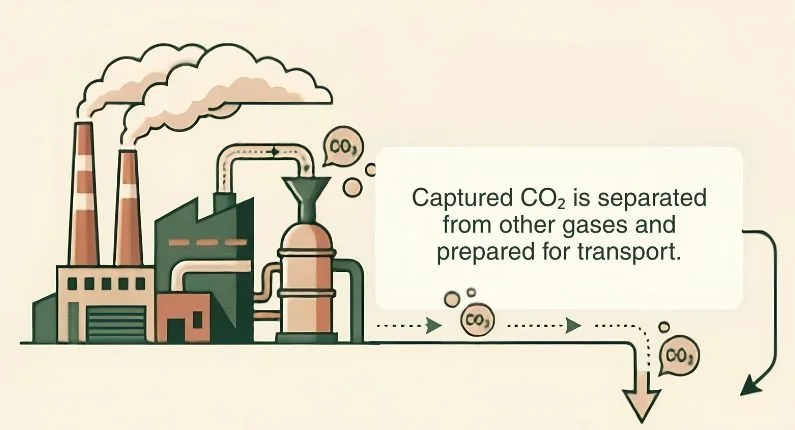



The injection process starts at the CO₂ source: a power plant, cement facility, or industrial operation where CO₂ is captured from the flue gas stream. From there, the CO₂ is compressed to its supercritical state, transported via pipeline to the injection site, and pumped down a Class VI injection well into the target formation.
Geologic (Subsurface) carbon sequestration is a powerful climate solution that allows us to dispose of carbon dioxide (CO₂) deep underground, keeping it out of the atmosphere for thousands of years.
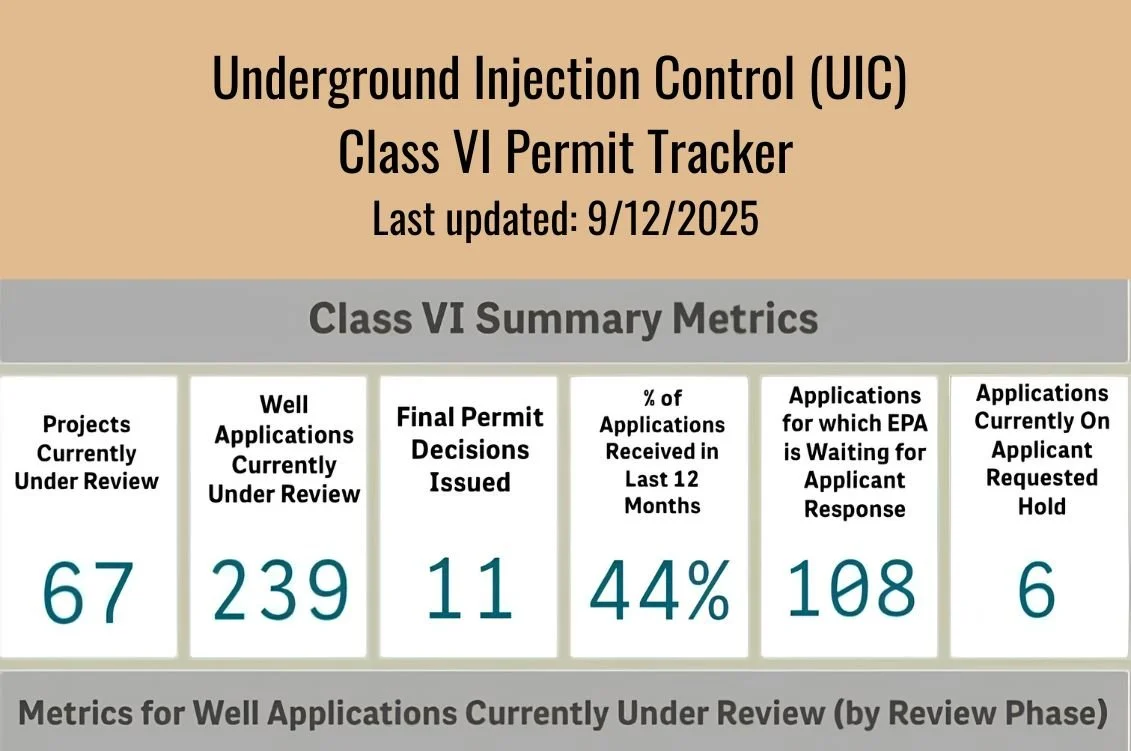
Carbon sequestration is a critical strategy in the fight against climate change, and the U.S. Environmental Protection Agency (EPA) regulates underground injection wells through its Underground Injection Control (UIC) Program.
Class VI permits are essential for geologic CO₂ storage, but the timeline can vary widely depending on who’s in charge. Faster permitting accelerates climate action and project development.
State primacy allows states to take the lead in regulating underground CO₂ injection wells, streamlining the permitting process. These projects are reducing emissions, creating jobs, and advancing clean energy infrastructure.
Carbon sequestration is gaining momentum across North America, with major projects underway in both the U.S. and Canada. These projects are reducing emissions, creating jobs, and advancing clean energy infrastructure.